Almost everyone today has a lot of small investments. We commonly have two or three bank accounts. We invest in cryptocurrencies, stocks, or securities through foreign platforms, but in the hustle and bustle of today's world, we have no idea what we actually have and where.
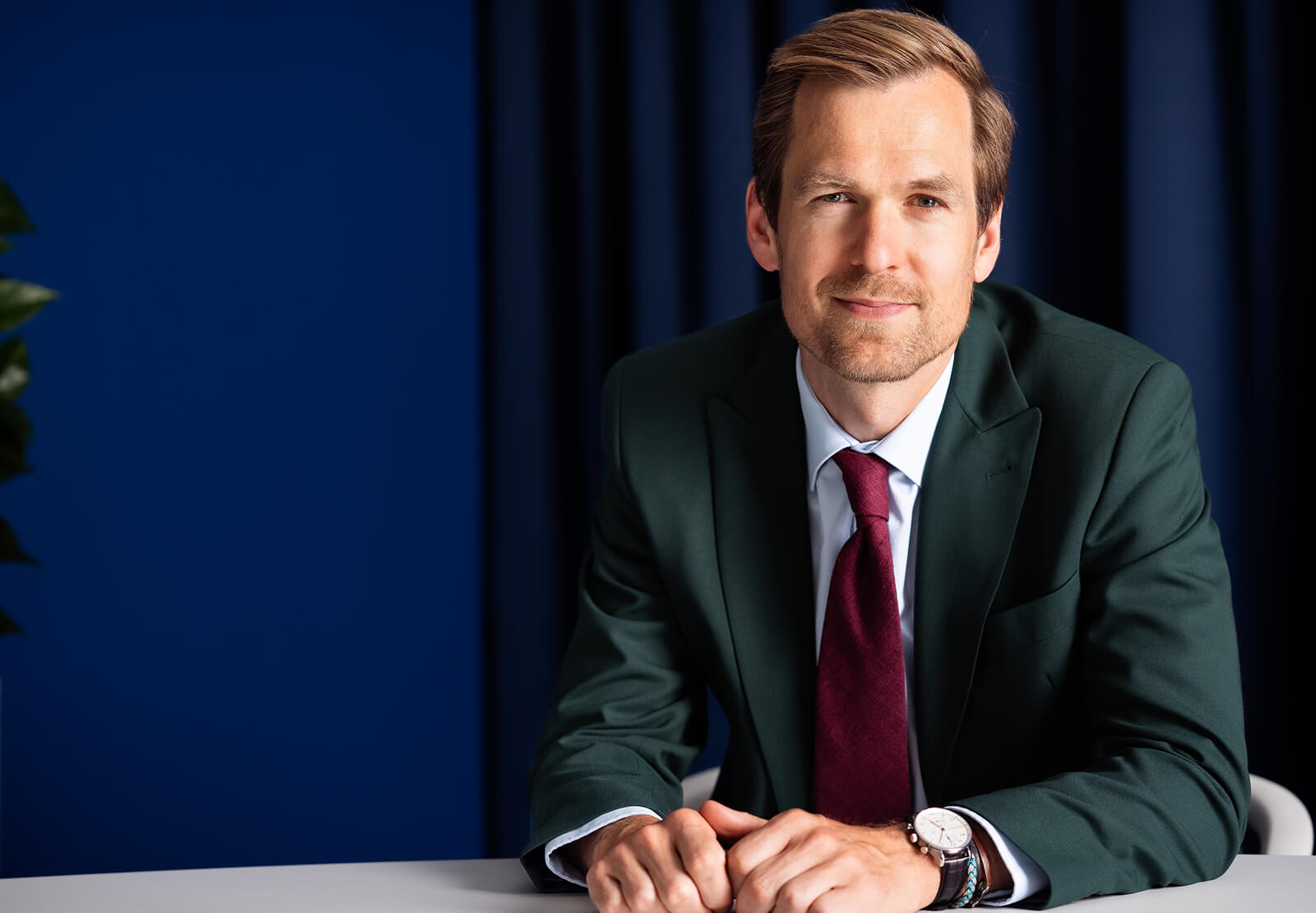
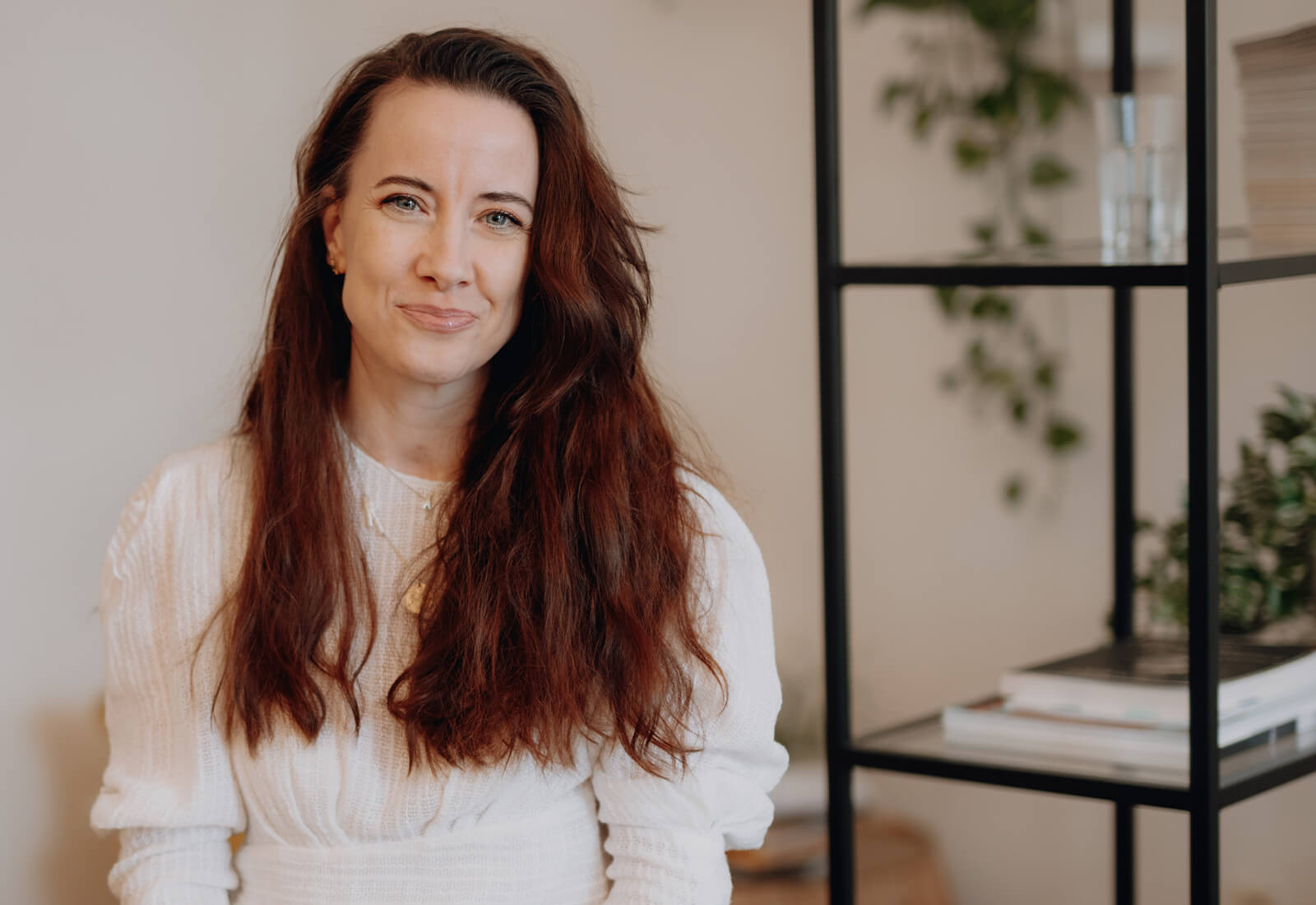
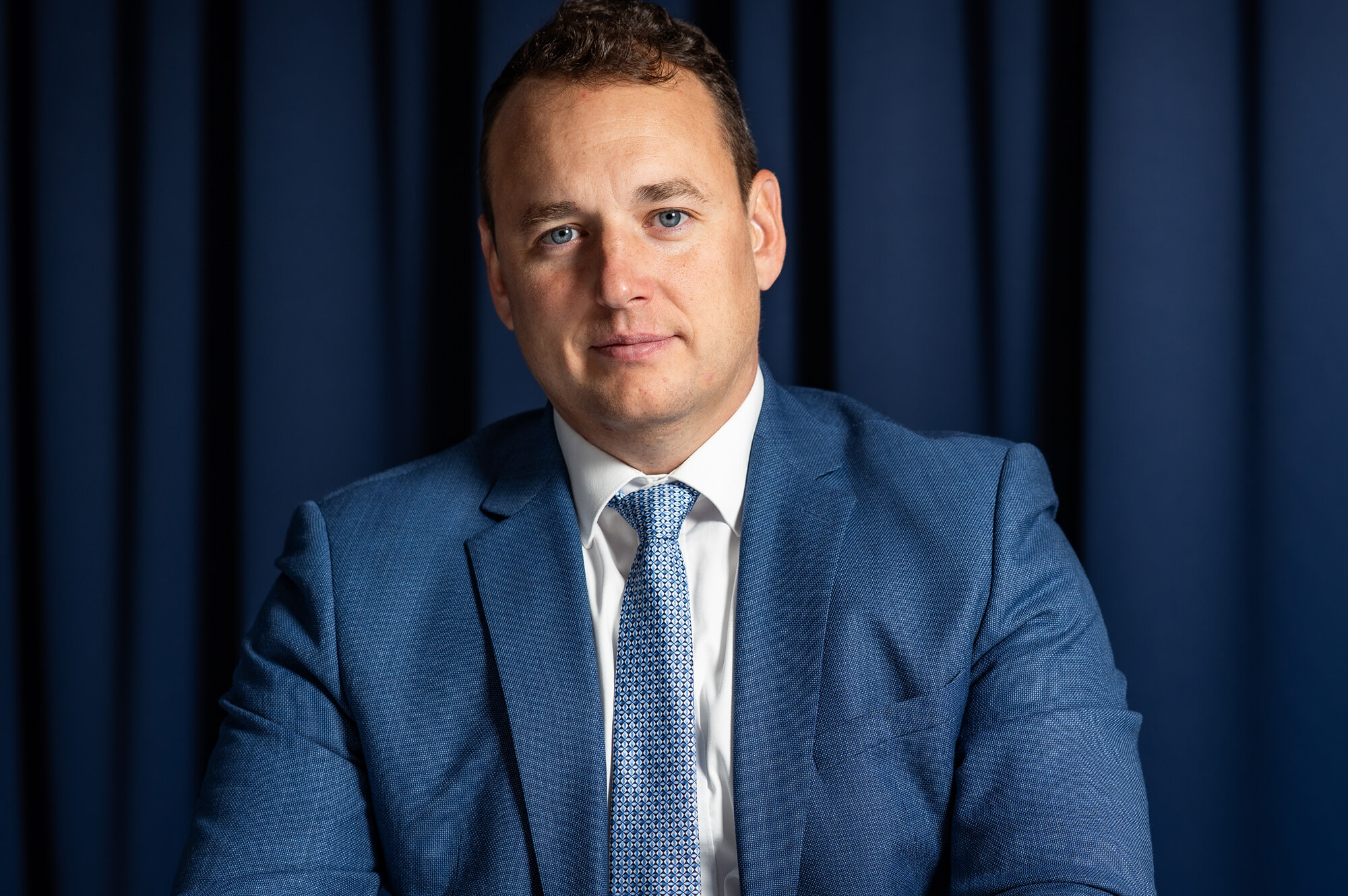
And that is how the partnership between the endors law firm and the Eterny platform was born. Vít Kučera, founder of endors and managing partner, and Jitka Paterová, founder and CEO of the Eterny platform, share their experiences with wealth management and succession planning,
We spoke with Jitka Paterová, founder of the Eterny platform, about what it actually means to have an overview of your assets. Not because of a future that no one wants to think about, but because of the present, which most of us live in a state of mild chaos.
Most people don't want to admit that an unexpected event could happen to them, so they put off dealing with wealth management indefinitely. As Vít Kučera points out, although we have established legal tools for inheritance and asset management in the Czech Republic, preparedness for unexpected situations is very low, if not abysmal.
"The biggest problem I see in wealth management is that it simply isn't happening. People put it off—'when I'm older,' 'when I have more,' 'when...' But then it's often too late. Preparing for the future isn't just about inheritance. Often, you don't even know what you actually own," Vít notes.
We live in a complex financial ecosystem. Compared to ten or twenty years ago, the situation is vastly different, and ignoring or failing to address this situation is something none of us can afford.
Many of us have our wealth spread across countless investment instruments, apps, banks, foreign platforms, and cryptocurrencies.
In the event of an unexpected tragedy, your family has no chance of finding everything. A notary does not have the tools to discover that you have real estate in Dubai or investments on a platform based in Estonia, and they often aren't even required to try. These institutions have no obligation to actively search for heirs. As a result, assets can remain in a legal vacuum—forever.
While people may save documents, PDFs, Excel spreadsheets, and passwords, they lack a comprehensive overview of what it all actually means.
Often, you don't even know exactly what you have or where it is. You forget about expiring insurance policies. You overlook the fact that you are still paying monthly fees for a service you no longer use. You lose track of what is worth it, what isn't, or where you have money unnecessarily "parked" without any return.
With the middle generation, we typically see small investments relative to their total assets, but in absolute numbers, the amounts can be quite significant. Five thousand here, ten thousand there, fifty thousand elsewhere—and suddenly we are talking about hundreds of thousands that get "lost."
“Well, if something were to happen, my wife wouldn't actually know where to look for anything at all,” clients often confide to Jitka Paterová.
In the worst-case scenario, this leads to the loss of a significant portion of assets, especially cryptocurrencies or foreign holdings. Even if most of the assets are eventually tracked down, the process is extremely demanding both emotionally and in terms of time. The family has lost a loved one, and instead of being able to cope with the difficult situation, they have to deal with:
Many clients realize that asset fragmentation is something that needs to be addressed. They often start by listing their assets in an Excel spreadsheet, which gives them at least a basic overview of what they own and where.
The foundation is an overview: Even those conscientious individuals who want to manage their assets often have a major problem gathering all the necessary documents.
Whether you are planning for the future regarding – a will, a trust fund, or an estate administrator – you need to know exactly what you own. This is the most demanding phase, but you cannot move forward without it:
Manual management in Excel will sooner or later become unsustainable because it requires constant time for maintenance and updates, which is the main stumbling block. This is where platforms like Eterny come in, replacing manual work and providing control.
Once you have a complete and digitally centralized overview of your assets, it is time to transform that data into legal certainty. On this basis, endors will establish the necessary legal protection that prevents the risks of paralysis and disputes:
People who are highly systematic and keep their companies and business affairs in perfect order very often have a huge mess in their personal matters and personal assets, which are diversified or scattered across multiple areas. Consequently, their preparedness for managing assets in the event of an unexpected situation is very low.
Among the most common problems we see in practice are:
A major problem arises in companies where the managing director is also the sole shareholder. In the event of the death or long-term incapacity of the managing director, the company faces total paralysis.
"There will be no one who can sign documents. The bank won't talk to anyone. And there is no one who can appoint a new managing director," says Vít Kučera.
And be careful – this doesn't just apply to situations where someone passes away. It is enough for someone to be in the hospital for a longer period, or to have a car accident, even if they eventually recover.
A court can appoint a company administrator, but it is a process that takes many months, not days or weeks. In business, you often need to react the very next day. Business partners get anxious and need reassurance much sooner than that.
The solution is to appoint an estate administrator in advance, who is obligated to secure and protect all assets, but is especially crucial in cases where the decedent owned a business.
This role is responsible for ensuring the operation of the business, which includes fulfilling obligations to employees and clients, managing the company's financial affairs (including bank accounts and payments to suppliers), and fulfilling administrative obligations (e.g., filing tax returns).
It is therefore a tool that effectively ensures the company's functionality at a time when standard probate processes are frozen. It ensures that even in a critical situation, the company can react the very next day.
Years ago, inheritance was much simpler. "I remember my beginnings in law. When a notary handled an estate, they would send out a few letters to banks, check the land registry, maybe look into two or three other databases – and that was it. The deceased's assets were more or less settled.
Having assets abroad was rare. And even if there were, you just had to send a fax or a letter, and the notary could very often get that information," recalls Vít Kučera.
Today, the situation is diametrically different and requires a modern approach to family wealth protection.
If the deceased did not express their last wishes, inheritance is determined based on the statutory order of succession, which precisely defines who inherits what. However, such a distribution of assets may not always meet your needs:

A will is a key document, which allows you to distribute your assets in a way that differs from statutory requirements. It is invaluable if you have a complex asset portfolio and want to specify exactly who receives what, or if you wish to express your wishes regarding the care of minor children. The most secure way is to draft a will in the form of a notarial deed.
As your assets grow and their composition changes—through property purchases, investments, or starting a business—your will should evolve accordingly.
"Clients often ask us if they need to update their will regularly. In most cases, it is better to update the document, as new assets also factor into the calculations for forced heirs," adds Vít.
A will is not a document you write once in your lifetime and then forget about. It is a living document, which should reflect your current situation.
One of the best-known and most effective legal tools for asset management is a trust fund (trust). Although it has a negative reputation in the Czech public sphere due to politicians, it is actually a structure that:
Caution: A trust fund is suitable for families with significant assets, where the costs of setting it up and managing it make sense. For assets like "two apartments in a village" it is likely not the optimal solution.
Lack of preparation and poor communication are very often the cause of rifts and disputes within a family, even when relationships were previously functioning well.
"Everything can be solved. We have had many clients who handled it brilliantly because they stated their vision in advance. It wasn't just a case of a will appearing out of nowhere. They communicated it, discussed it, and explained it," says Vít Kučera.
Active asset management and legal protection are an investment in the peace and stability of your family and your business. Do not put off finding a solution until it is too late.
Your documents and assets under control. For you and your family. Forever. All your finances, investments, and important documents in one place. Secure, organized, optimized, and always at hand.
Prevention is not about fearing the future, but about protecting what you have today. The best thing you can do for yourself and your loved ones is to prepare for the things none of us want to think about. Complex inheritance issues or difficult divorces – situations where emotions mix with law and money are always challenging. We know from experience that we can prevent most complications – the key is prevention, which is primarily about protecting what you have today.
Your story deserves attention.
Treat yourself to a lawyer who will give it to you and get in touch with us – info@endors.cz
Often, the best thing you can do for yourself and your loved ones is to prepare for the things we hope will never happen. Part of that preparation is education, which allows you to explore your options. That is how the partnership between the endors law firm and the Eterny platform was born.